

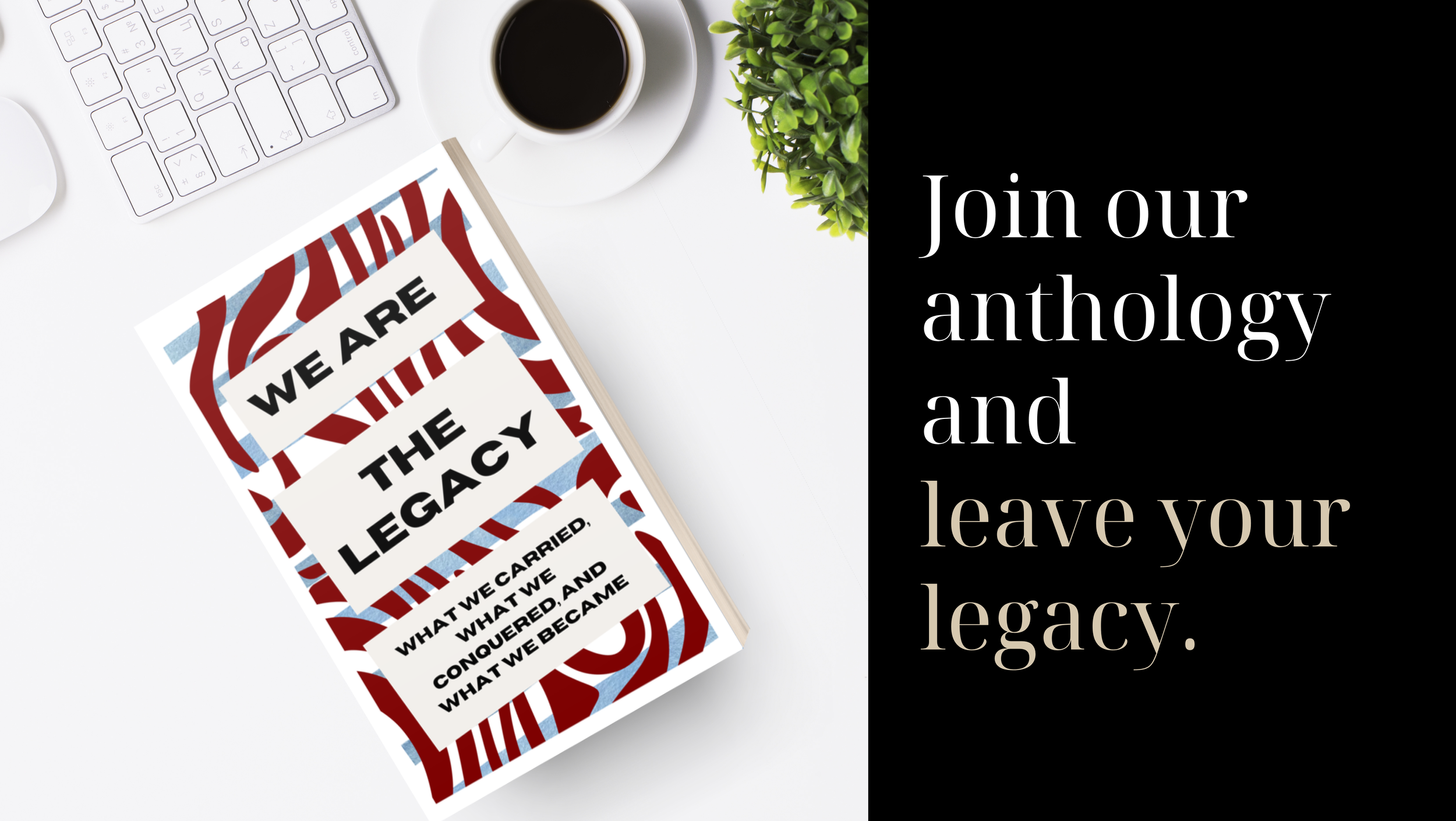
Everyone sees the military hero . . . the outcome of a battle won. But few ever see what it took to get there.
In We Are the Legacy: What We Carried, What We Conquered, and What We Became, military-connected authors pull the curtain back on what it really took to become who they are today. They share stories that trace the arc from trauma to transformation, from transition to leadership, from surviving to serving in new, more intentional ways.
Each chapter reveals the defining moments that shaped these veterans, service members, and spouses.—leaders who chose to rebuild, to rise, and to tell the truth about what it means to carry both wounds and wisdom.
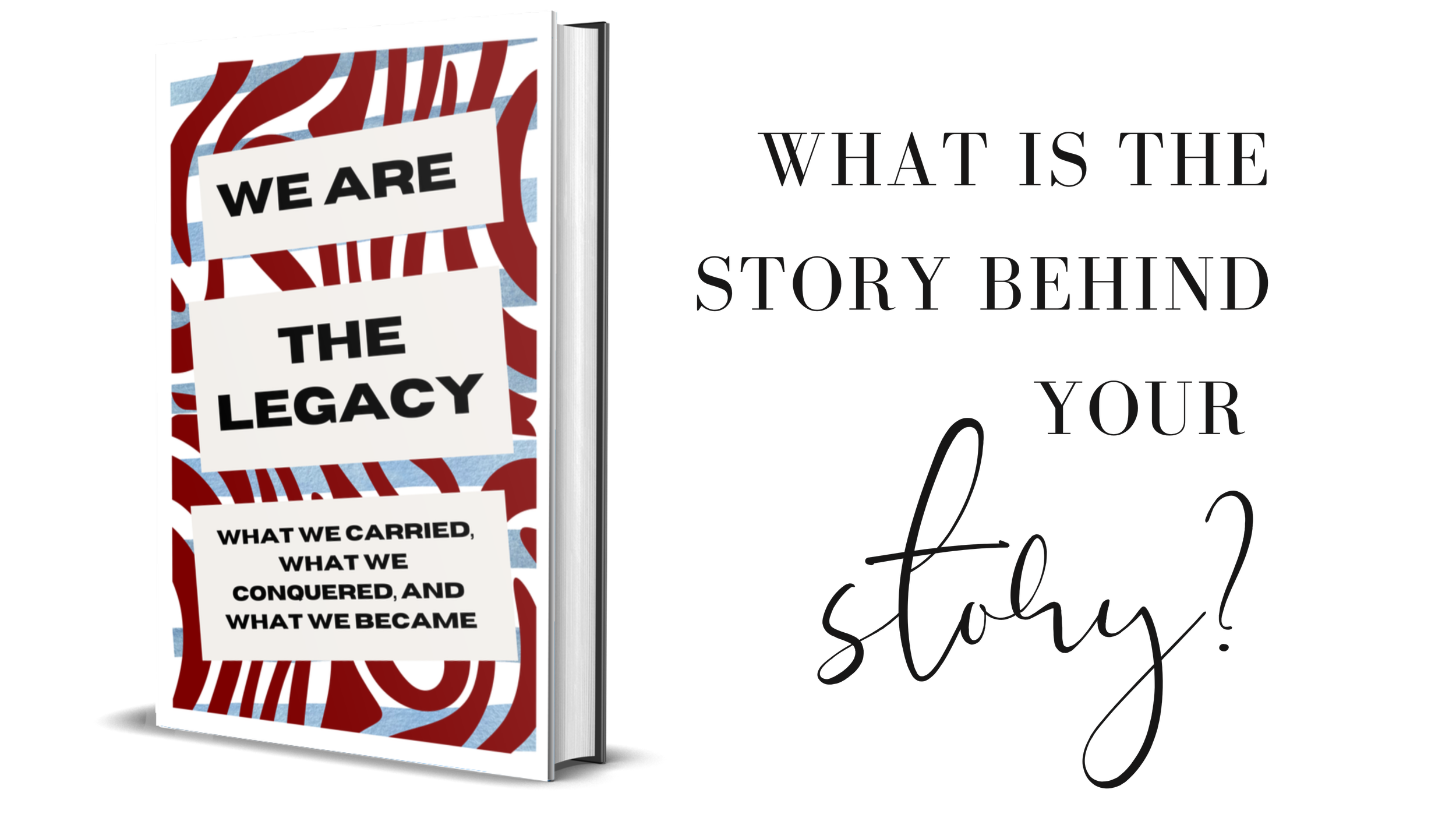
What legacy will you leave behind?
If you’ve carried experiences that shaped who you are—moments of service, sacrifice, transition, or transformation—your story belongs here. We Are the Legacy is a movement to bring the unseen into the light and remind the world what military life and service truly looks like.
If you feel the pull, it’s not by accident. It’s your invitation.
At E.P. House, we believe stories are more than words on a page—they’re bridges that connect generations, cultures, and hearts. We are a boutique, award-winning traditional publishing house dedicated to amplifying voices that create change, challenge assumptions, and leave a lasting legacy.
This mission is carried forward through our philanthropic arm, Military Memoir Project—a storytelling initiative created to honor, heal, and preserve the lived experiences of the military community. The project provides opportunities for veterans, service members, and spouses to share their truths and publish their stories through the anthologies we publish.
By giving voice to those who’ve served—and those who’ve served beside them—Military Memoir Project ensures that the legacy of service is not only remembered, but becomes a part of history.

To join this project…
The Writing Prompt:
Tell a true story connected to your military experience that reveals a moment of inner positive change. Focus less on the event and more on what it shifted within you.
What were you carrying at the time—responsibility, expectations, grief, identity, leadership, silence? What challenged you or forced a shift—a decision, transition, loss, failure, return home, or unexpected moment of clarity? Who did you become because of it, and does that shape the way you live, lead, serve, or relate to others today?
Write one story that shows the human experience behind the service—the part that continued.
The Details:
Contribute a short chapter, approximately 3000 words
Option to first submit a 1200-word framework for developmental feedback before expanding
Receive structured guidance using a proven author development process
Be part of a collaborative project that gives back to the military community
submit your chapter to hello@ephouse.co

Kristin Bentley began as a journalist in Seattle, where she developed an appreciation of storytelling. This led her to serve as Editor-in-Chief for the National Infantry Association’s official magazine, a role built on connection and preserving legacy. There, she was awarded the Order of St. Maurice, an honor awarded to those who made a significant contribution to the U.S. Army Infantry.
Kristin transitioned into corporate as a creative executive for a startup serving major brands, including Hilton.
There she launched six global publications, one distributed to nominees of the 2021 Oscars and the Grammys.
In 2020, she founded E.P. House with a clear and ambitious goal: for authors to be supported to bring meaningful work into the world. Since then, along with our editorial team, we have guided hundreds of authors whose books have become bestsellers, earned awards, and created tangible impact for readers.
Kristin became a special operations military spouse after 9/11, and now more than six as a veteran spouse. She understands firsthand the sacrifice required to support someone called to serve. Today, she uses her platform to invite others in the community to share their stories—preserving legacy by archiving them in the Library of Congress, opening dialogue beyond our own circles, and humanizing history.